
Publications
The methods behind our client work come out of peer-reviewed research. A selection is below; the full list lives on Google Scholar.
- Citations
- 577
- h-index
- 13
- i10-index
- 14
Citations over time
Citations across all of our publications, with the three most-cited papers drawn on top. Switch between the count per year and the running total. From Google Scholar; the hatched bar is the current year to date.
Like this chart? It is one dependency-free script that reads a short list of years and counts. Grab it from GitHub: edit one text file with your Scholar numbers, open one page, download the picture. No installation.
Selected work
Thumbnails are figures from the papers themselves.
-
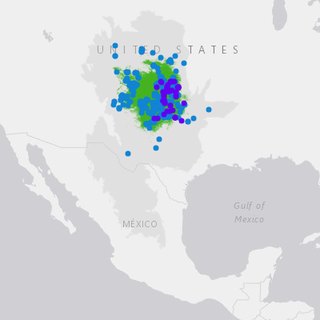
Conservation gap analysis for wild grapevines (Vitis L.) of the Americas
The most recent application of the workflow, extending the national assessment to a new genus.
-
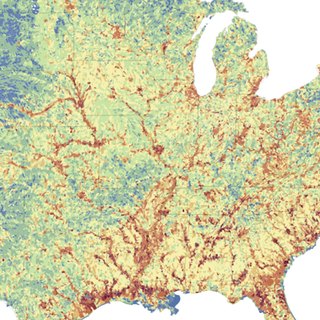
Degradation of floodplain integrity within the contiguous United States
Continental-scale spatial assessment outside the crop wild relatives domain.
-
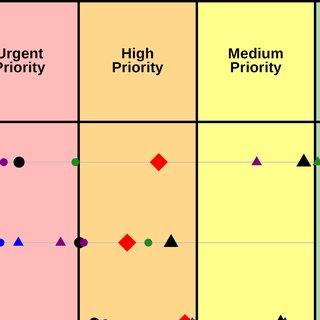
GapAnalysis: an R package to calculate conservation indicators using spatial information
The open-source implementation of the gap analysis method, and the foundation the GAMMa tool builds on.
Other publications
Grouped by topic. Open a group to see the papers.
Crop wild relatives Distribution modeling and conservation gap analyses for the wild relatives of crops.
-
Distribution and ecology of wild lettuces Lactuca serriola L. and Lactuca virosa L. in central Chile
-
Crop wild relatives of the United States require urgent conservation action
-
Modelled distributions and conservation status of the wild relatives of chile peppers (Capsicum L.)
-
Crop wild relatives as germplasm resource for cultivar improvement in mint (Mentha L.)
-
Modelled distributions and conservation priorities of wild sorghums (Sorghum Moench)
Plant genetic resources and restoration Safeguarding germplasm collections and sourcing seed for restoration under a changing climate.
-
Safeguarding plant genetic resources in the United States during global climate change
-
Using climate-driven adaptive evolution to guide seed sourcing for restoration in a diverse North American herb-shrub species
-
Seeds of Success: collateral benefits to agricultural crop improvement, research and education
Remote sensing and spatial methods Detecting vegetation from imagery, checking land-cover products, and teaching the workflow.
-
Creating presence and absence points, and Working with GPS and weather data
-
Improved remote sensing methods to detect northern wild rice (Zizania palustris L.)
Rivers and landscape change Riparian corridors and long-term landscape evolution in the Colorado and Rio Grande basins.
Full publication list and citation metrics on Google Scholar.